
Diabetes is one of the most common health conditions today, yet many people do not realize they have it until complications begin. In many cases, symptoms develop slowly, which makes early detection difficult. Therefore, regular Diabetes Screening becomes essential for protecting your health and preventing serious problems.
When you check your blood sugar levels on time, you can identify changes before they turn into major health issues. In addition, early detection supports effective Diabetes Prevention and helps you take control of your lifestyle. This blog explains why routine screening matters and how it can truly save your life.
What Is Diabetes Screening?
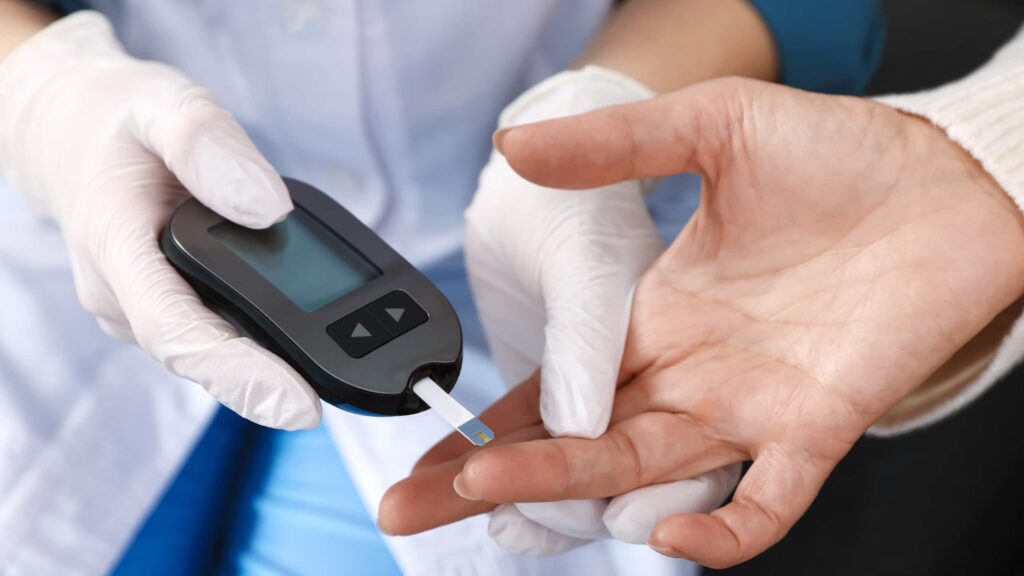
Diabetes Screening refers to simple medical tests that measure your blood sugar levels. These tests help detect whether your glucose levels are normal, high, or within a prediabetes range.
Doctors usually recommend screening through fasting blood sugar tests, HbA1c tests, or oral glucose tolerance tests. These methods provide a clear picture of your health. As a result, early Diabetes Screening allows you to take action before complications develop.
Moreover, regular testing plays a key role in Diabetes Prevention, especially for people with risk factors such as obesity, family history, or unhealthy lifestyle habits.
Why Early Detection Matters
Many people ignore mild symptoms like fatigue, frequent urination, or increased thirst. However, these signs often indicate rising blood sugar levels. Without timely Diabetes Screening, the condition may go unnoticed for years.
Early detection offers several benefits. First, it helps you start treatment at the right time. Second, it reduces the risk of complications such as heart disease, kidney damage, and nerve problems. Most importantly, it supports better Diabetes Prevention by allowing you to make lifestyle changes early.
Therefore, regular Diabetes Screening is not just a test—it is a life-saving step.
Who Should Get Regular Diabetes Screening?
Although anyone can develop diabetes, some people face a higher risk. You should consider regular Diabetes Screening if you:
- Have a family history of diabetes
- Are overweight or obese
- Have a sedentary lifestyle
- Experience symptoms like fatigue or frequent urination
- Have high blood pressure or cholesterol
In these cases, routine testing becomes essential for early detection and effective Diabetes Prevention.
How Diabetes Screening Helps Prevent Complications
Untreated diabetes can affect multiple organs in the body. It may lead to serious conditions such as heart disease, kidney failure, vision problems, and nerve damage.
However, regular Diabetes Screening helps detect high blood sugar levels before they cause harm. When doctors identify the condition early, they can guide you with proper treatment and lifestyle changes.
As a result, you can improve your health and support long-term Diabetes Prevention. Early action not only reduces complications but also improves your quality of life.
The Role of Screening in Diabetes Prevention
Prevention is always better than treatment. When you undergo regular Diabetes Screening, you can detect prediabetes—a stage where blood sugar levels are higher than normal but not yet diabetic.
At this stage, lifestyle changes can reverse the condition. For example, healthy eating, regular exercise, and weight management can help you regain control.
Therefore, Diabetes Prevention becomes more effective when supported by timely Diabetes Screening. Instead of waiting for symptoms, you can take proactive steps to protect your health.
Benefits of Regular Diabetes Screening
Routine testing offers several important benefits:
- Detects diabetes early
- Helps monitor blood sugar levels
- Reduces the risk of complications
- Supports timely treatment
- Encourages healthy lifestyle changes
With regular Diabetes Screening, you stay informed about your health. At the same time, you strengthen your efforts toward Diabetes Prevention.
Simple Steps to Support Diabetes Prevention
Along with screening, healthy habits play a major role in preventing diabetes. You can follow these simple steps:
- Eat a balanced diet with less sugar and processed foods
- Exercise regularly
- Maintain a healthy weight
- Stay hydrated
- Manage stress
These habits improve your overall health and support effective Diabetes Prevention. When combined with regular Diabetes Screening, they create a strong defense against diabetes.
When Should You Get Screened?
Doctors usually recommend starting Diabetes Screening at the age of 35. However, if you have risk factors, you may need earlier testing.
In general, you should repeat screening every one to three years based on your health condition. Regular check-ups help maintain consistent Diabetes Prevention and ensure early detection.
Overcoming Fear and Misconceptions
Many people avoid Diabetes Screening due to fear or lack of awareness. Some believe that tests are painful or unnecessary if they feel healthy.
However, screening tests are simple and quick. More importantly, they provide valuable information about your health. Ignoring testing may delay diagnosis and increase health risks.
Therefore, understanding the importance of Diabetes Prevention encourages you to take screening seriously and act early.
Conclusion
Regular Diabetes Screening plays a crucial role in protecting your health. It helps detect changes in blood sugar levels early and allows you to take timely action. Without screening, diabetes may remain undiagnosed until serious complications develop.
By making screening a part of your routine, you support effective Diabetes Prevention and reduce long-term risks. In addition, healthy lifestyle choices further strengthen your ability to stay disease-free. Do not wait for symptoms to appear. Take a proactive step today with regular Diabetes Screening and focus on Diabetes Prevention for a healthier and safer future.