
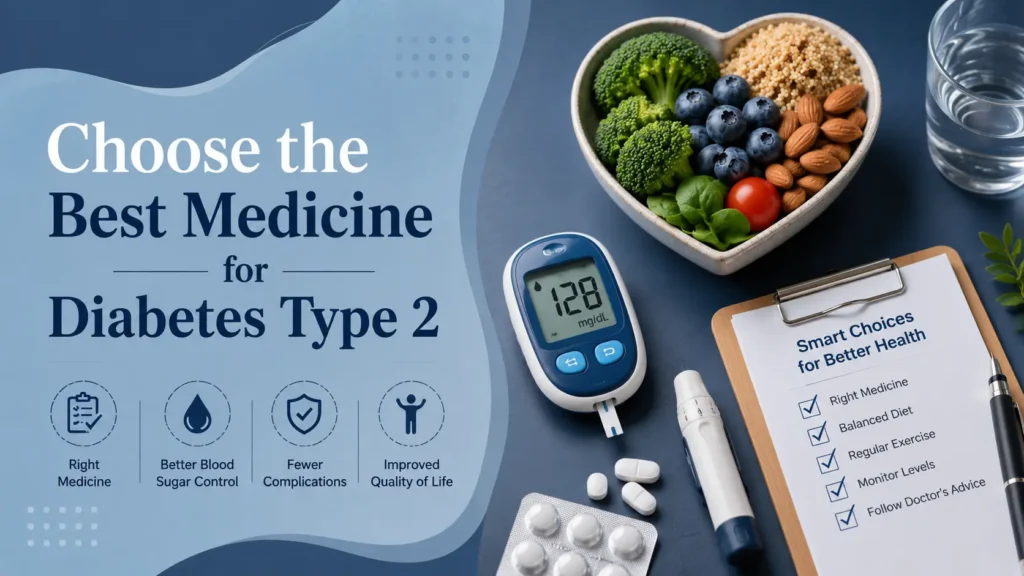
Type 2 diabetes is one of the most common chronic health conditions affecting millions of people worldwide. It occurs when the body becomes resistant to insulin or does not produce enough insulin to maintain healthy blood sugar levels. Proper treatment is essential because uncontrolled diabetes can lead to serious complications affecting the heart, kidneys, eyes, and nerves.
Many people search for the best medicine for diabetes type 2 after receiving a diagnosis. However, selecting the right treatment is not always straightforward. The most effective medication depends on factors such as age, overall health, blood sugar levels, lifestyle, and existing medical conditions. At the same time, recognizing the early Signs of diabetes can help individuals seek treatment sooner and prevent complications.
This guide explains how Type 2 diabetes medications work, factors that influence treatment decisions, and the importance of working with a healthcare professional to develop the right treatment plan.
Understanding Type 2 Diabetes
Type 2 diabetes develops when the body’s cells do not respond properly to insulin. As a result, glucose remains in the bloodstream instead of being used for energy.
Several factors can increase the risk of developing diabetes, including:
- Family history
- Excess body weight
- Physical inactivity
- Poor dietary habits
- High blood pressure
Recognizing the early Signs of diabetes can lead to earlier diagnosis and more effective management.
Common Signs of Diabetes
Many people ignore symptoms because they develop gradually. However, identifying Signs of diabetes early can help prevent long-term health problems.
Common symptoms include:
- Frequent urination
- Increased thirst
- Excessive hunger
- Fatigue
- Blurred vision
- Slow wound healing
- Unexplained weight changes
If these symptoms appear, it is important to consult a healthcare provider for proper evaluation.
Why Medication Is Important
Lifestyle changes play a major role in diabetes management. However, many individuals also require medication to maintain healthy blood sugar levels.
The best medicine for diabetes type 2 helps:
- Lower blood sugar levels
- Improve insulin sensitivity
- Reduce diabetes-related complications
- Support long-term health
- Improve daily energy levels
Medication works best when combined with healthy eating habits and regular physical activity.
Factors That Influence Medication Choice
No single medication works for everyone. Doctors consider several factors before recommending the best medicine for diabetes type 2.
Blood Sugar Levels
The severity of blood sugar elevation often determines the type of treatment required.
Age and Overall Health
Older adults may need different medications than younger individuals due to other health conditions.
Weight Management Goals
Some medications can support weight loss, while others may contribute to weight gain.
Existing Medical Conditions
Heart disease, kidney disease, and liver conditions can influence medication selection.
These factors help healthcare providers choose the most appropriate treatment plan.
Common Types of Type 2 Diabetes Medications
Several medication categories are available to help manage diabetes.
Medications That Improve Insulin Sensitivity
These medicines help the body use insulin more effectively, making them a common option for many patients.
Medications That Increase Insulin Production
Some treatments encourage the pancreas to release more insulin to control blood sugar.
Medications That Reduce Glucose Absorption
Certain medications slow the absorption of glucose from food and help prevent blood sugar spikes.
Injectable Treatments
Some patients benefit from injectable medications that help regulate appetite and improve blood sugar control.
Your doctor will determine which option is the best medicine for diabetes type 2 based on your individual needs.
Importance of Personalized Treatment
Every person experiences diabetes differently. Therefore, treatment should be tailored to each individual.
Factors such as:
- Daily routine
- Dietary habits
- Physical activity level
- Medical history
- Treatment goals
all influence medication decisions.
A personalized approach increases the likelihood of successful blood sugar management.
Lifestyle Changes That Support Medication
Medication alone is not enough. Healthy lifestyle habits improve treatment effectiveness and support overall wellness.
Follow a Healthy Diet
A balanced diet helps stabilize blood sugar levels and reduce complications.
Choose foods such as:
- Vegetables
- Whole grains
- Lean proteins
- Healthy fats
- Fresh fruits in moderation
Healthy eating can reduce the severity of Signs of diabetes and improve treatment outcomes.
Stay Physically Active
Exercise helps the body use insulin more efficiently.
Activities such as walking, swimming, and cycling support better glucose control.
Maintain a Healthy Weight
Weight management improves insulin sensitivity and supports the effectiveness of the best medicine for diabetes type 2.
Monitoring Blood Sugar Levels
Regular blood sugar monitoring helps track treatment success.
Benefits include:
- Understanding how food affects blood sugar
- Identifying glucose patterns
- Evaluating medication effectiveness
- Preventing complications
Monitoring also helps healthcare providers adjust medications when necessary.
Importance of Regular Medical Check-Ups
Routine medical appointments play an important role in diabetes management.
Healthcare providers can:
- Monitor blood sugar levels
- Evaluate treatment progress
- Adjust medications
- Screen for complications
Regular check-ups help ensure that the chosen best medicine for diabetes type 2 continues to meet the patient’s needs.
Potential Medication Side Effects
Like all medications, diabetes treatments can cause side effects.
Some people may experience:
- Digestive discomfort
- Low blood sugar
- Weight changes
- Headaches
Patients should discuss any concerns with their healthcare provider rather than stopping medication without medical advice.
Can Diabetes Be Controlled Successfully?
Yes. Many people successfully manage Type 2 diabetes through a combination of medication, healthy eating, exercise, and regular medical care.
Early diagnosis, awareness of Signs of diabetes, and proper treatment significantly improve long-term health outcomes.
The goal is not only to lower blood sugar but also to reduce the risk of complications and maintain a high quality of life.
Tips for Better Diabetes Management
To support treatment success:
- Take medications as prescribed
- Eat balanced meals
- Stay active daily
- Get enough sleep
- Manage stress effectively
- Monitor blood sugar regularly
- Attend follow-up appointments
These habits enhance the effectiveness of the best medicine for diabetes type 2 and support overall well-being.
Conclusion
Choosing the best medicine for diabetes type 2 requires careful evaluation of individual health needs, lifestyle factors, and blood sugar levels. Since every person responds differently to treatment, working closely with a healthcare provider is essential for developing a personalized plan.
At the same time, understanding the early Signs of diabetes can lead to timely diagnosis and better management. Medication, combined with healthy eating, regular exercise, and routine monitoring, provides the strongest foundation for long-term diabetes control.
With the right treatment strategy and consistent lifestyle changes, people with Type 2 diabetes can maintain healthy blood sugar levels and enjoy a healthier, more active life.