
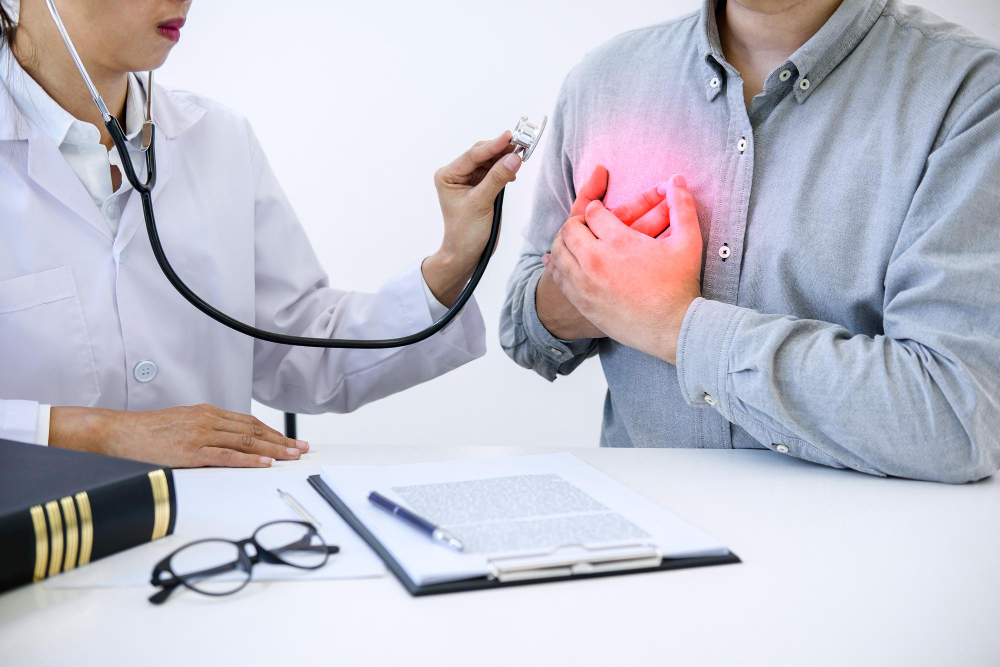
Chest pain can be scary. Sometimes, it means you need help right away. Other times, it may be less serious. However, knowing when chest pain is an emergency can save your life. This guide will help you understand the causes, when to call 911 for chest pain, and how chest pain relates to women’s health. If you live in your city, you can find chest pain care in your area quickly.
Common Causes of Chest Pain
Many things can cause chest pain. Some are not dangerous, but others need fast care. For example, chest pain can come from your heart, lungs, stomach, or even muscles. Understanding the cause helps you know what to do next.Heart problems, like a heart attack or anginaLung issues, such as a blood clot or infectionMuscle strain from lifting or coughingDigestive problems, like acid reflux or heartburnAnxiety or panic attacks
Because chest pain can have many causes, it is important to pay attention to your symptoms.
Symptoms That Require Immediate Medical Attention
Sometimes, chest pain is a sign of a chest pain emergency. In these cases, you should call 911 or go to the nearest hospital right away. Quick action can save lives. Watch for these warning signs:Sudden, severe chest pain or pressurePain spreading to your arm, neck, jaw, or backShortness of breath or trouble breathingCold sweat, nausea, or vomitingFeeling faint, dizzy, or weakRapid or irregular heartbeat
If you have any of these symptoms, do not wait. Even if you are not sure, it is better to be safe and seek help.
When to See a Doctor for Chest Pain
Not all chest pain means you need the emergency room. However, you should still see a doctor if:Your chest pain lasts more than a few minutesThe pain comes and goesYou have other health problems, like diabetes or high blood pressureYou are pregnant and have chest painYou are worried about your symptoms
Even mild chest pain in women can be a sign of heart problems. Therefore, it is always best to check with your doctor.
How Chest Pain Relates to Women’s Health
Chest pain in women can be different from chest pain in men. For instance, women may feel pain in the neck, jaw, or back instead of the chest. Sometimes, women have mild symptoms or feel very tired. Because of this, chest pain in women is sometimes missed or ignored.
Pregnant women should pay extra attention to chest pain. While some pain can be normal, it can also signal heart or lung problems. If you are pregnant and have chest pain, talk to your doctor right away.
Diagnosis: What to Expect at the Doctor’s Office
When you see a doctor for chest pain, they will ask about your symptoms. They may check your heart, lungs, and blood pressure. Often, doctors use tests to find the cause. For example, you may have:Electrocardiogram (ECG) to check your heart rhythmBlood tests for signs of a heart attackChest X-ray to look at your lungsStress test to see how your heart works during activity
Because chest pain diagnosis can be complex, your doctor may order more tests if needed.
Treatment Options for Chest Pain
Treatment depends on the cause of your chest pain. For example, if you have a heart problem, you may need medicine or a procedure. If the pain is from acid reflux, your doctor may suggest changes in your diet or medicine. Sometimes, rest and simple pain relief help with muscle strain.Medicines to treat heart or lung problemsProcedures like opening blocked arteriesChanges in diet and lifestylePhysical therapy for muscle painStress management for anxiety-related pain
Your doctor will choose the best treatment for your needs.
Tips for Preventing Chest Pain
While not all chest pain can be prevented, you can lower your risk. For instance, healthy habits protect your heart and lungs. Try these tips:Eat a balanced diet with fruits and vegetablesExercise regularly, as your doctor advisesAvoid smoking and limit alcoholManage stress with relaxation techniquesKeep your blood pressure and cholesterol in checkSee your doctor for regular checkups
Because chest pain can be serious, always listen to your body and seek help if you are unsure.