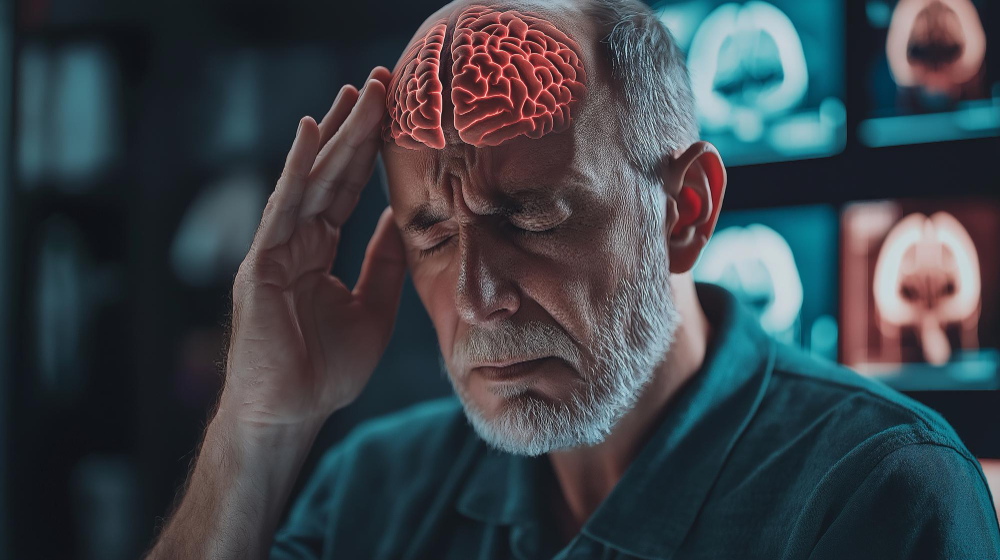
Every minute counts during a stroke. Stroke warning signs can appear suddenly and may be easy to miss. However, knowing these signs can save a life. A stroke happens when blood flow to part of the brain stops. Without quick help, brain cells can die. Because stroke is a medical emergency, early recognition is key. In this guide, you will learn how to spot early signs of stroke and what steps to take.
What Is a Stroke?
A stroke is a serious health problem. It occurs when blood cannot reach the brain. As a result, brain cells start to die within minutes. There are two main types of stroke. First, an ischemic stroke happens when a blood clot blocks a vessel. Second, a hemorrhagic stroke occurs when a blood vessel bursts. Both types can cause lasting damage. According to the CDC, stroke is a leading cause of disability and death worldwide.
Why Early Detection Matters
Early detection of stroke symptoms can make a big difference. For example, fast treatment can help reduce brain damage. In many cases, people who get help within the first hour have better recovery. This is often called the “golden hour.” Because stroke symptoms can be subtle, it is important to act quickly. The sooner you recognize the signs, the better the outcome. This is true for everyone, including stroke symptoms in women and men.
5 Stroke Warning Signs You Should Never Ignore
Stroke symptoms often appear without warning. Below are five key signs to watch for. If you notice any of these, seek emergency help right away.
What to Do If You Notice Stroke Symptoms
If you see any stroke warning signs, act fast. Call emergency services right away. Do not wait to see if symptoms go away. Because every minute counts, getting help quickly can save brain cells. While waiting for help, keep the person safe and calm. Do not give them food, drink, or medicine unless a doctor says it is safe. Remember, stroke emergency response is critical for survival and recovery.
Prevention and Lifestyle Guidance
Although some risk factors cannot be changed, many strokes can be prevented. For example, healthy habits lower your risk. Here are some tips:
Because stroke can affect anyone, knowing how to recognize a stroke and making healthy choices can help protect you and your loved ones.