
What Are Heavy Periods?
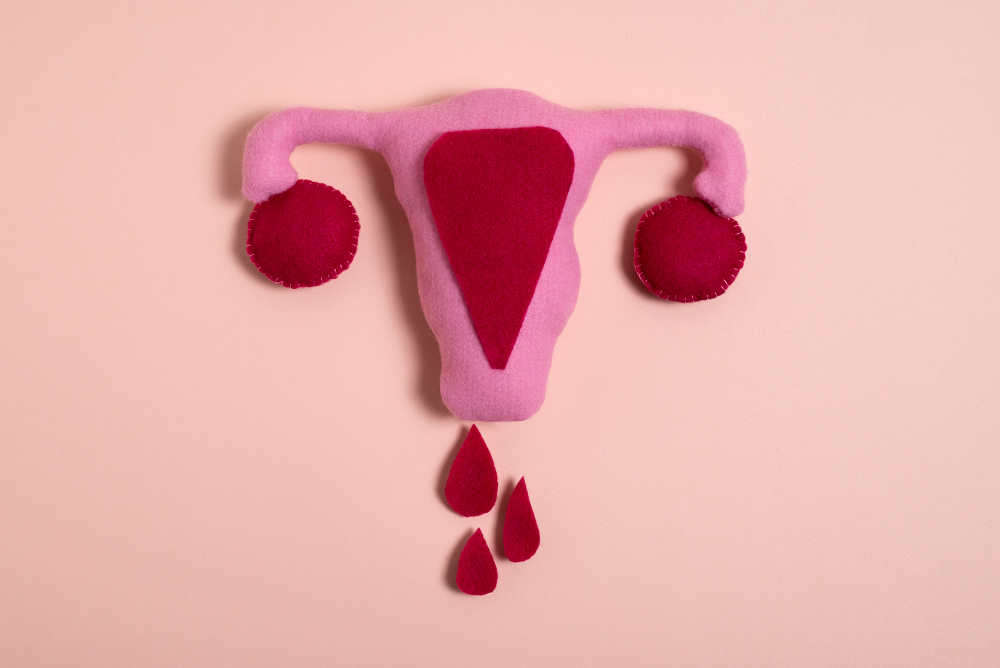
Heavy periods, also called menorrhagia, happen when you bleed more than usual during your monthly cycle. For many people, it can be hard to know what counts as normal. However, if you need to change pads or tampons every hour for several hours, your period may be too heavy. According to the CDC, heavy periods can affect daily life and may signal a health problem. In some regions, access to care for heavy periods may differ, so it is important to know the signs.
Common Symptoms of Heavy Periods
Sometimes, it is tricky to tell if your period is too heavy. Yet, there are clear signs to look for. For example, you may have heavy menstrual bleeding if you:
Additionally, if you often miss school, work, or activities because of your period, it may be time to talk to a doctor.
Causes of Heavy Menstrual Bleeding
Many things can cause heavy periods. Sometimes, the reason is clear. Other times, doctors need to do tests to find out. Common causes include:
In rare cases, cancer of the uterus or cervix can cause abnormal uterine bleeding. For this reason, it is important to get checked if you notice changes in your period.
How Heavy Periods Are Diagnosed
First, your doctor will ask about your symptoms and medical history. They may also do a physical exam. To find the cause, doctors often use tests such as:
Sometimes, doctors use other tests if needed. In some areas, access to these tests may depend on local health services.
Treatment Options for Heavy Periods
Treatment for heavy periods depends on the cause and your needs. For example, some people may need only simple changes, while others need more help. Common treatments include:
Doctors will help you choose the best treatment for your situation. In addition, they will consider your age, health, and plans for having children.
Lifestyle Tips for Managing Heavy Periods
Even though heavy periods can be hard, some tips may help you cope. For instance, you can:
Additionally, talking to friends or family can offer support. If you travel or live in areas with less access to period products, plan ahead to have enough supplies.
Preventing Complications from Heavy Periods
Heavy periods can lead to problems like anemia, which means you have too few red blood cells. To prevent this, it helps to:
In some places, getting care may be harder. Even so, it is important to seek help if you have signs of heavy menstrual bleeding or feel unwell.