
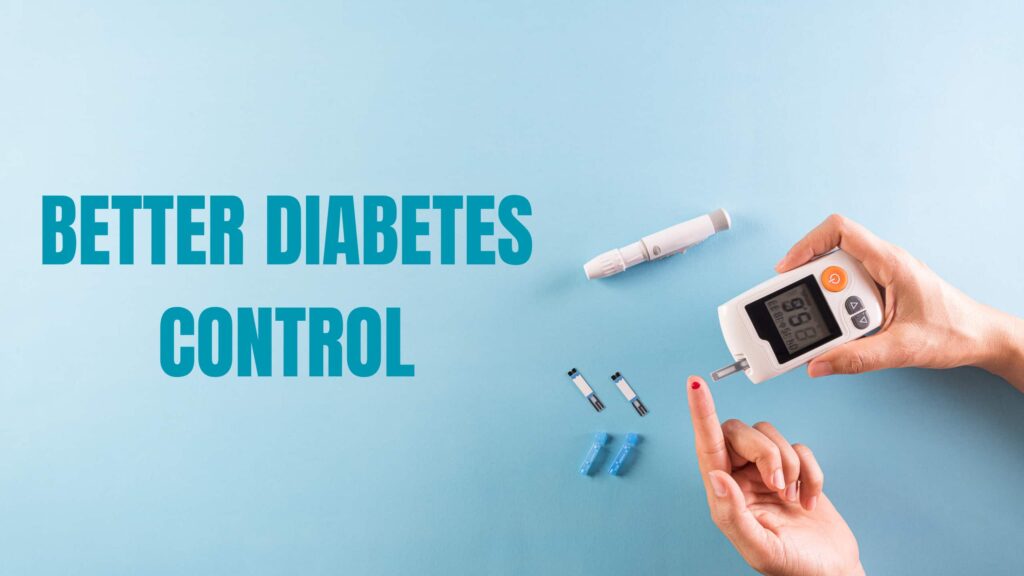
Managing health becomes even more important when planning for pregnancy. For individuals or couples dealing with diabetes, proper care and planning can make a big difference. Achieving better diabetes control not only improves overall health but also increases the chances of successful fertility treatments like Intrauterine Insemination.
Both diabetes management and fertility care require attention, consistency, and expert guidance. In this blog, you will learn how controlling diabetes supports reproductive health and how Intrauterine Insemination works as a helpful option for couples trying to conceive.
Understanding the Link Between Diabetes and Fertility
Diabetes can affect hormonal balance and reproductive health in both men and women. Uncontrolled blood sugar levels may lead to irregular menstrual cycles, ovulation issues, and reduced sperm quality.
Therefore, achieving better diabetes control becomes essential before considering fertility treatments. When blood sugar levels remain stable, the body functions more effectively, increasing the chances of conception.
In addition, doctors often recommend managing diabetes properly before starting Intrauterine Insemination to improve success rates.
What Is Intrauterine Insemination?
Intrauterine Insemination is a simple fertility treatment that helps sperm reach the egg more easily. During the procedure, doctors place healthy sperm directly into the uterus around the time of ovulation.
This method increases the chances of fertilization compared to natural conception. Many couples choose Intrauterine Insemination because it is less invasive and more affordable than other treatments.
However, for better results, maintaining better diabetes control is very important.
Why Better Diabetes Control Matters Before Fertility Treatment
Before starting any fertility treatment, your body needs to be in a healthy state. High blood sugar levels can affect egg quality, sperm health, and implantation.
Achieving better diabetes control helps:
- Regulate hormones
- Improve ovulation
- Enhance sperm quality
- Reduce pregnancy risks
Doctors often monitor blood sugar levels closely before recommending Intrauterine Insemination. This preparation increases the chances of a successful outcome.
Steps to Achieve Better Diabetes Control
Maintaining stable blood sugar levels requires consistent effort. Here are some simple steps to achieve better diabetes control:
Follow a Balanced Diet
A healthy diet plays a key role in managing diabetes. Include:
- Whole grains
- Fresh fruits and vegetables
- Lean proteins
Avoid sugary and processed foods. Good nutrition supports both better diabetes control and fertility health.
Stay Physically Active
Regular exercise improves insulin sensitivity and helps maintain a healthy weight. Activities like walking, yoga, and light workouts are beneficial.
Physical activity supports better diabetes control and prepares your body for Intrauterine Insemination.
Monitor Blood Sugar Levels
Regular monitoring helps you understand how your body responds to food and medication. Keeping track of your levels ensures consistent better diabetes control.
Doctors use this information to plan your Intrauterine Insemination procedure effectively.
Follow Medical Advice
Take medications or insulin as prescribed. Regular check-ups help adjust your treatment plan when needed.
Following medical advice is essential for achieving better diabetes control and improving fertility outcomes.
Preparing for Intrauterine Insemination
Preparation is important for successful Intrauterine Insemination. Doctors usually follow a structured approach:
Ovulation Tracking
Doctors monitor your ovulation cycle to determine the best time for the procedure. Accurate timing increases success rates.
Sperm Preparation
Healthy sperm is selected and prepared in a laboratory before the procedure. This step improves the effectiveness of Intrauterine Insemination.
Procedure Day
The procedure is quick and usually painless. The doctor inserts sperm into the uterus using a thin tube. After that, you can resume normal activities.
However, maintaining better diabetes control throughout the process remains important.
Benefits of Intrauterine Insemination
Many couples choose Intrauterine Insemination because of its advantages:
- Simple and quick procedure
- Less invasive compared to other treatments
- Affordable option
- Increased chances of fertilization
When combined with better diabetes control, the success rate improves further.
Managing Diabetes During Fertility Treatment
Even after starting treatment, maintaining stable blood sugar levels is essential. Hormonal changes during fertility treatments may affect glucose levels.
Therefore, continuous better diabetes control helps avoid complications and supports a healthy pregnancy.
Doctors may adjust medications and monitor your condition closely during Intrauterine Insemination cycles.
Importance of Emotional and Mental Health
Trying to conceive can be stressful. Managing both diabetes and fertility treatment may feel overwhelming at times.
You can support your emotional health by:
- Practicing relaxation techniques
- Talking to your partner
- Seeking professional guidance
A positive mindset supports better diabetes control and improves your experience during Intrauterine Insemination.
When to Consult a Specialist
You should consult a doctor if you:
- Have difficulty controlling blood sugar
- Experience irregular menstrual cycles
- Have been trying to conceive without success
Early consultation helps improve better diabetes control and ensures proper planning for Intrauterine Insemination.
Final Thoughts
Managing diabetes and planning for pregnancy require careful attention and commitment. Achieving better diabetes control not only improves your overall health but also increases the chances of successful fertility treatment.
Intrauterine Insemination offers a simple and effective option for couples facing fertility challenges. However, the success of this procedure depends on proper preparation and consistent health management.
By following medical advice, maintaining healthy habits, and staying positive, you can improve your chances of conception and enjoy a healthier future.