
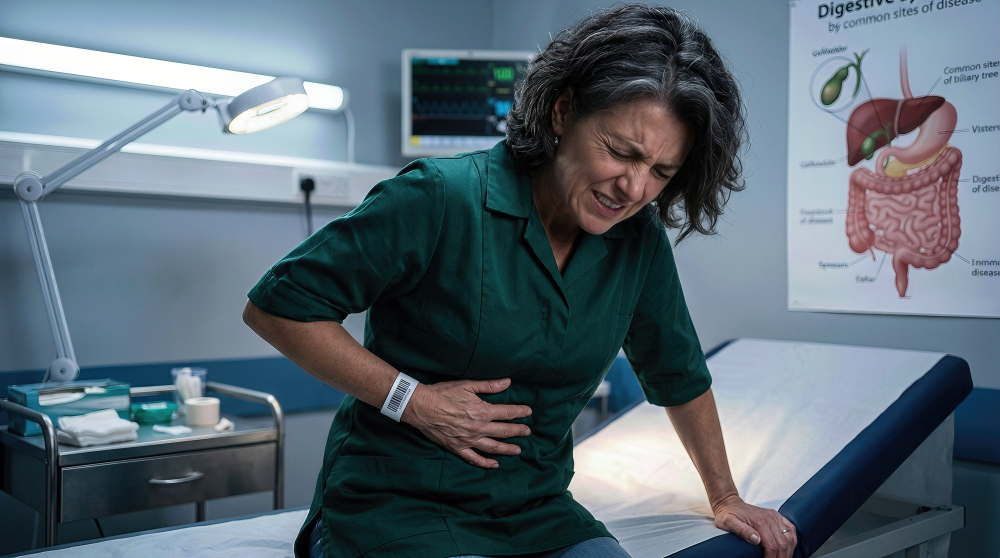
What Are Gallstones?
Gallstones are small, hard pieces that form inside the gallbladder. The gallbladder is a small organ under your liver. It stores bile, which helps your body digest fat. In the United States, millions of people get gallstones each year, according to the CDC. Sometimes, gallstones do not cause any problems. However, they can block the flow of bile and cause pain or other symptoms.
There are two main types of gallstones:
Because gallstones can vary in size, they may go unnoticed or cause sudden pain.
Common Symptoms of Gallstones
Many people with gallstones do not have symptoms. Yet, when symptoms appear, they can be very uncomfortable. For example, a gallstone may block a bile duct. This can cause pain and other issues. Common gallstones symptoms include:
Sometimes, the pain starts after eating a fatty meal. If you notice these symptoms, you should talk to your doctor.
How Gallstones Are Diagnosed
Doctors use several methods for gallstones diagnosis. First, they ask about your symptoms and medical history. Next, they may do a physical exam. Often, doctors use imaging tests to see the gallbladder. These tests include:
Because these tests are quick and safe, they help doctors find gallstones and plan treatment.
Treatment Options for Gallstones
Not everyone with gallstones needs treatment. If you do not have symptoms, your doctor may suggest watchful waiting. However, if you have pain or other problems, treatment may be needed. Common gallstones treatment options include:
Because each case is different, your doctor will help you choose the best treatment for you.
When Is Surgery Needed for Gallstones?
Surgery is the most common treatment for gallstones with symptoms. When is gallbladder surgery needed? Doctors may recommend surgery if:
Usually, doctors remove the gallbladder using a small camera and tools through tiny cuts. This is called laparoscopic surgery. Most people recover quickly and can live a normal life without a gallbladder.
Preventing Gallstones and Lifestyle Tips
While you cannot always prevent gallstones, some healthy habits may lower your risk. For example, keeping a healthy weight can help. Here are some tips for preventing gallstones:
Because family history and age can also play a role, talk to your doctor about your risk. Following these steps may help you avoid gallstones and keep your digestive system healthy.
Conclusion
If you have symptoms of gallstones or want to learn more about your treatment options, our team at ADITYA HOSPITALS – MEDCHAL is here to help. Schedule a consultation today for expert care and guidance.