
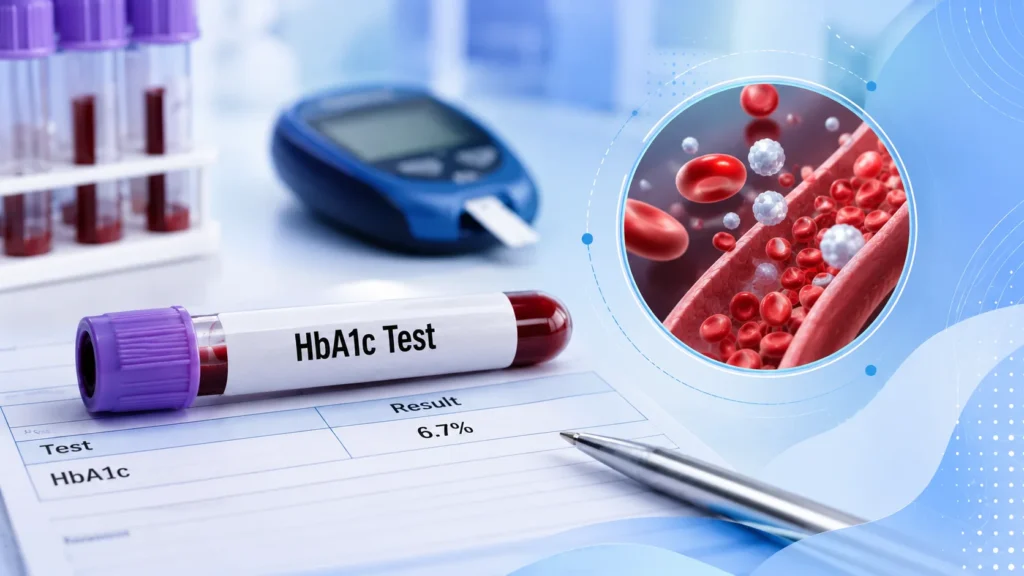
Managing diabetes requires more than checking blood sugar once in a while. Healthcare professionals use different tests to understand how well blood sugar has been controlled over time. One of the most important tests is the hba1c test, which provides a clear picture of average blood sugar levels over the previous two to three months.
Unlike a single blood sugar reading, this test helps doctors evaluate long-term glucose control and adjust treatment if necessary. It is also an important Diabetes monitor that helps people understand how well their current treatment plan is working.
In this blog, you will learn what the HbA1c test is, why it is important, how it is performed, what the results mean, and how you can improve your diabetes management.
What Is the HbA1c Test?
The hba1c test is a blood test that measures the percentage of glucose attached to hemoglobin, a protein found in red blood cells. Since red blood cells live for about three months, the test reflects the average blood sugar level during that period.
Doctors commonly recommend this test to diagnose diabetes, monitor ongoing treatment, and evaluate long-term blood sugar control.
Because it provides a broader picture than daily glucose readings, it serves as an effective Diabetes monitor for both patients and healthcare providers.
Why Is the HbA1c Test Important?
Daily glucose checks show blood sugar at a specific moment. However, blood sugar changes throughout the day depending on meals, exercise, stress, and medication.
The hba1c test helps by showing the overall pattern rather than individual readings.
Its benefits include:
- Measuring long-term blood sugar control
- Supporting early diabetes diagnosis
- Monitoring treatment effectiveness
- Reducing the risk of complications
- Helping doctors adjust medications when necessary
Regular testing allows patients to stay informed about their diabetes management.
Who Should Have an HbA1c Test?
Doctors may recommend the test for several groups of people.
It is commonly advised for:
- People diagnosed with diabetes
- Individuals with prediabetes
- People at high risk of developing diabetes
- Those with a family history of diabetes
- Individuals who have symptoms of high blood sugar
Healthcare providers often use the hba1c test as part of routine diabetes care.
How Is the Test Performed?
The procedure is simple and usually takes only a few minutes.
A healthcare professional collects a small blood sample from a vein in your arm. The sample is then sent to a laboratory for analysis.
Unlike some blood sugar tests, fasting is generally not required before the hba1c test, making it more convenient for patients.
Understanding HbA1c Results
Your doctor will explain what your results mean based on your overall health and medical history.
Generally:
- Lower values indicate better long-term blood sugar control.
- Higher values suggest that blood sugar has remained elevated over several weeks.
The test acts as a reliable Diabetes monitor, helping healthcare providers decide whether treatment changes are needed.
Patients should always discuss their results with their doctor instead of interpreting them independently.
Benefits of Regular HbA1c Testing
Routine testing offers several important advantages.
Better Treatment Decisions
Doctors use results to evaluate whether medications or lifestyle changes are working effectively.
Early Detection of Problems
Rising HbA1c values may indicate worsening diabetes before noticeable symptoms appear.
Reduced Risk of Complications
Keeping blood sugar under control lowers the risk of complications involving the heart, kidneys, eyes, and nerves.
Regular testing makes the hba1c test an essential part of long-term diabetes care.
How Often Should the Test Be Done?
Testing frequency depends on each person’s condition.
Healthcare providers may recommend testing:
- Every three months for people with changing treatment plans
- Every six months for individuals with stable diabetes control
Following your doctor’s recommendations ensures that your Diabetes monitor remains accurate and useful.
Factors That Can Affect HbA1c Results
Although the test is highly reliable, certain conditions may influence the results.
These include:
- Anemia
- Kidney disease
- Certain blood disorders
- Pregnancy
- Recent blood transfusions
Your healthcare provider considers these factors when interpreting your results.
Lifestyle Changes That Improve HbA1c Levels
Healthy daily habits play an important role in lowering HbA1c values.
Eat a Balanced Diet
Choose foods such as:
- Whole grains
- Fresh vegetables
- Fruits in moderation
- Lean proteins
- Healthy fats
Limiting sugary foods helps improve long-term glucose control.
Exercise Regularly
Physical activity improves insulin sensitivity and supports better blood sugar management.
Walking, cycling, swimming, and yoga are excellent choices.
Maintain a Healthy Weight
Weight management improves insulin function and helps lower HbA1c values.
Manage Stress
Long-term stress can affect blood sugar control.
Relaxation techniques such as meditation, deep breathing, and regular physical activity support better overall health.
These lifestyle changes improve the effectiveness of your Diabetes monitor and support healthier outcomes.
Importance of Medication Adherence
Taking diabetes medications exactly as prescribed is essential for maintaining stable blood sugar.
Skipping medication may lead to higher HbA1c values and increase the risk of complications.
Always consult your healthcare provider before making any changes to your treatment plan.
Regular Health Check-Ups Matter
Routine medical appointments allow healthcare providers to monitor your overall health.
During follow-up visits, doctors may:
- Review HbA1c results
- Check blood pressure
- Assess kidney function
- Examine eye health
- Monitor cholesterol levels
These evaluations complement the hba1c test and provide a complete picture of diabetes management.
Common Myths About the HbA1c Test
Several misconceptions exist about this important test.
Myth: Daily Blood Sugar Checks Are Enough
Daily readings are helpful, but they only show short-term glucose levels.
The hba1c test provides valuable long-term information that daily testing cannot replace.
Myth: Good HbA1c Means Diabetes Is Cured
A healthy result indicates good blood sugar control, not a cure.
Patients should continue following their treatment plan.
Myth: The Test Replaces Healthy Habits
Healthy eating, regular exercise, medication, and routine monitoring remain essential for successful diabetes management.
Tips for Better Diabetes Monitoring
To improve long-term glucose control:
- Eat nutritious meals consistently.
- Exercise most days of the week.
- Take medications as prescribed.
- Stay hydrated.
- Get enough sleep.
- Manage stress effectively.
- Attend regular medical appointments.
Together, these habits strengthen the role of your Diabetes monitor and improve overall health.
Conclusion
The hba1c test is one of the most valuable tools for monitoring long-term blood sugar control. Unlike daily glucose readings, it provides a broader view of how well diabetes is being managed over several months.
Using the test as a reliable Diabetes monitor, along with healthy eating, regular exercise, medication, and routine medical care, helps reduce the risk of complications and supports a healthier future. By understanding your HbA1c results and following your healthcare provider’s recommendations, you can take greater control of your diabetes and improve your overall quality of life.