
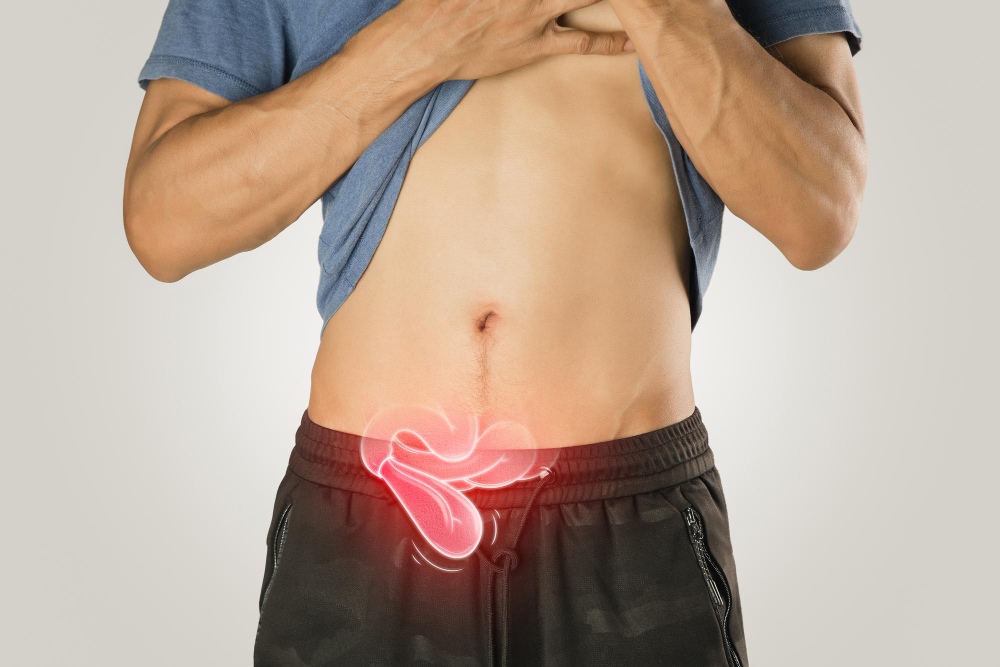
What is a Hernia?
A hernia happens when an organ or tissue pushes through a weak spot in the muscle or tissue wall. Often, this creates a bulge in the abdomen or groin. Many people notice this bulge when standing or coughing. In most cases, hernias are not life-threatening. However, they may need medical care to prevent problems. According to the World Health Organization (WHO), hernias are common worldwide.
Common Symptoms of Hernia
Usually, the first sign of a hernia is a visible bulge. Still, other symptoms can appear. For example, you might feel discomfort or pain, especially when lifting. Sometimes, the pain gets worse during activity. In addition, some people notice pressure or weakness in the area. Although hernias can be painless, it is important to watch for these signs:
Because symptoms can vary, always seek medical advice if you notice a new bulge.
Causes: Why Does a Bulge Form in the Abdomen or Groin?
Hernias form when muscle or tissue becomes weak or thin. As a result, organs or fat can push through. There are several reasons why this happens. For instance, some people are born with weak muscles. Others develop weakness over time. In addition, certain actions or health issues can increase risk. Here are some common abdominal hernia causes:
Because these factors weaken the muscle wall, they make it easier for a bulge to form.
Types of Hernias in the Abdomen and Groin
There are several types of hernias that affect the abdomen and groin. Each type appears in a different spot. For example, some are more common in men, while others affect women or children. Below are the main types:
Since each type has unique features, knowing the difference helps with hernia diagnosis and treatment.
How is a Hernia Diagnosed?
Doctors use several steps to diagnose a hernia. First, they ask about your symptoms and medical history. Next, they perform a physical exam. During the exam, you may be asked to stand or cough. This helps the doctor see or feel the bulge. Sometimes, imaging tests are needed. For example, an ultrasound or CT scan can show the hernia more clearly. According to the Centers for Disease Control and Prevention (CDC), early hernia diagnosis helps prevent complications.
Treatment Options for Hernia
There are different hernia treatment options, depending on the type and symptoms. In some cases, doctors may suggest watchful waiting if the hernia is small and painless. However, many hernias need treatment to avoid problems. Here are common options:
Because untreated hernias can cause serious issues, it is important to discuss hernia treatment options with your doctor.
Prevention Tips and Lifestyle Guidance
While not all hernias can be prevented, you can lower your risk with healthy habits. For example, keeping a healthy weight reduces pressure on your abdomen. In addition, you should use proper lifting techniques. Here are more tips:
Because prevention is key, these steps can help you avoid hernia and related problems.