
What Is High Cholesterol?
High cholesterol means there is too much cholesterol in your blood. Cholesterol is a waxy, fat-like substance. Your body needs some cholesterol for healthy cells. However, too much can cause problems. The CDC explains that high cholesterol can build up in your blood vessels. As a result, this buildup can block blood flow and cause health issues. Many people do not realize they have high cholesterol until a blood test shows it.
Why High Cholesterol Often Has No Symptoms
Surprisingly, high cholesterol is often called a “silent” condition. This is because it usually causes no symptoms. Even if your cholesterol is very high, you may feel fine. Therefore, many people do not know they have it. For this reason, doctors recommend regular cholesterol screening. Early detection is important, especially for women. You cannot feel high cholesterol, but it can still harm your body over time.
Health Risks Linked to High Cholesterol
Even though you may feel healthy, silent high cholesterol can increase your risk of serious problems. According to the World Health Organization, high cholesterol raises your risk for:
For example, cholesterol can stick to your artery walls. Over time, this narrows the arteries. As a result, blood cannot flow as easily. This can lead to heart attacks or strokes, even if you never had symptoms before.
How High Cholesterol Affects Women’s Health
Women face unique cholesterol risks. For instance, after menopause, women’s cholesterol levels often rise. Because of this, cholesterol risks for women increase with age. The American Heart Association notes that women with high cholesterol have a higher chance of heart disease. In addition, women who are pregnant or planning pregnancy should pay attention to their cholesterol. High cholesterol can affect both mother and baby. Also, some birth control pills may raise cholesterol levels. Therefore, regular cholesterol screening is important for women at every stage of life.
Diagnosis: How Is High Cholesterol Detected?
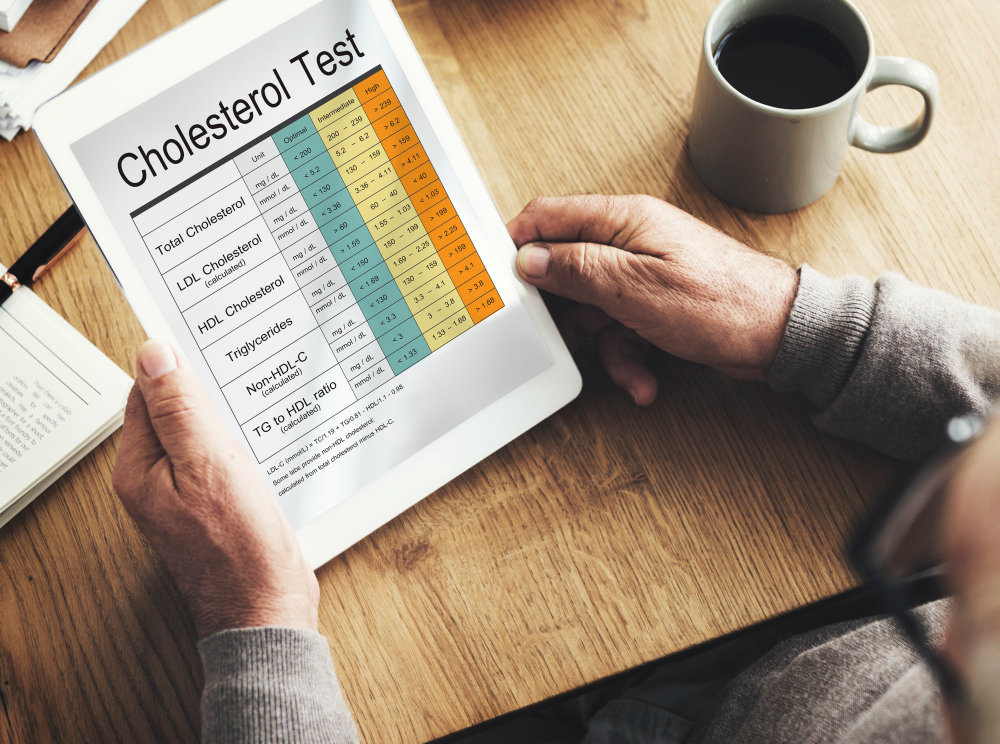
Since asymptomatic high cholesterol shows no signs, a blood test is the only way to know your levels. This test is called a lipid panel. It measures:
Doctors recommend cholesterol screening for adults every 4 to 6 years. However, women with risk factors may need testing more often. For example, family history or certain health conditions may require closer monitoring.
Treatment Options for High Cholesterol
Once high cholesterol is found, treatment can help lower your risk. Doctors may suggest:
Sometimes, lifestyle changes alone are enough. However, some women may need medication to reach safe cholesterol levels. Your doctor will help choose the best plan for you.
Lifestyle Tips to Manage Cholesterol
Fortunately, you can take steps to manage your cholesterol. Here are simple tips:
Even small changes can make a big difference. For example, walking daily or choosing lean meats can help lower cholesterol over time.
Preventing High Cholesterol
Prevention is important, especially for women. You can lower your risk by:
Because high cholesterol is silent, early action is key. Staying informed and making healthy choices can protect your heart and overall health.