
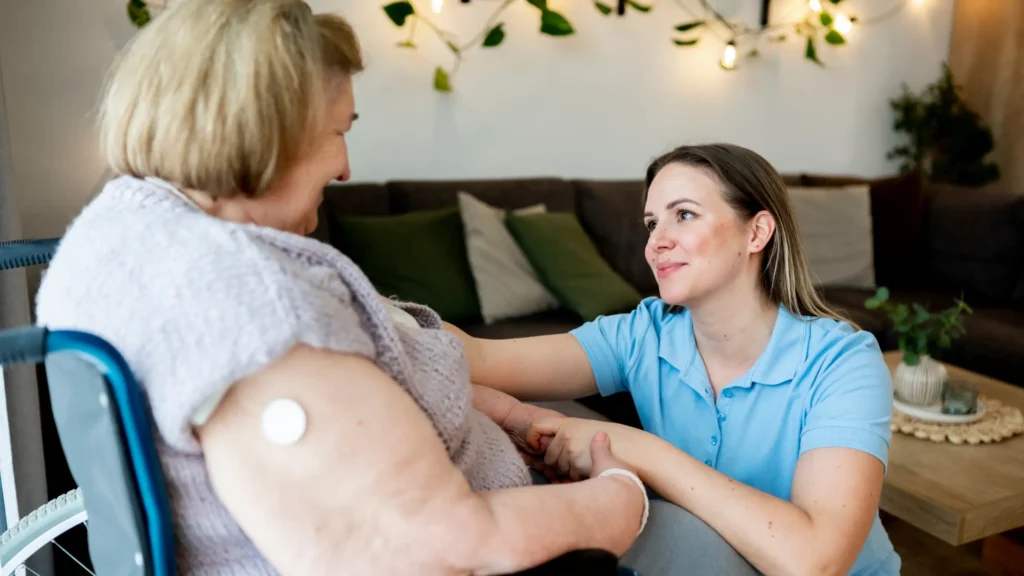
Recovering from a knee injury requires proper care, patience, and the right medical approach. When a person has diabetes, recovery can become more complex. Blood sugar levels play a major role in healing, especially after procedures like PCL surgery. Therefore, effective Diabetes treatment is essential to ensure faster and safer recovery.
In this blog, you will learn how diabetes affects healing, why proper management is important, and how to improve recovery after ligament surgery.
Understanding PCL Surgery
The posterior cruciate ligament (PCL) is one of the key ligaments in the knee. It helps stabilize the joint and supports movement.
PCL surgery is performed when this ligament is severely injured, often due to sports injuries or accidents. The procedure aims to repair or reconstruct the ligament, allowing the knee to regain strength and function.
However, recovery after PCL surgery depends on several factors, including overall health and blood sugar control.
How Diabetes Impacts Healing
Diabetes affects the body’s ability to heal properly. High blood sugar levels can slow down recovery and increase the risk of complications.
Slower Tissue Repair
When blood sugar is not controlled, the body takes longer to repair tissues. This delay can affect recovery after PCL surgery.
Increased Risk of Infection
Diabetes weakens the immune system, making it harder to fight infections. This increases the risk of complications after surgery.
Poor Blood Circulation
Reduced blood flow can limit the supply of oxygen and nutrients needed for healing. Effective Diabetes treatment helps improve circulation and supports recovery.
Importance of Diabetes Treatment Before Surgery
Preparing your body before surgery is very important. Proper Diabetes treatment helps stabilize blood sugar levels and reduces surgical risks.
Doctors often recommend:
- Monitoring blood sugar regularly
- Adjusting medications
- Following a healthy diet
Good preparation improves the outcome of PCL surgery and supports faster healing.
Managing Blood Sugar After PCL Surgery
Post-surgery care plays a major role in recovery. Maintaining stable blood sugar levels is essential during this period.
Regular Monitoring
Check your blood sugar levels frequently. This helps detect changes early and adjust your Diabetes treatment plan if needed.
Follow Medication Guidelines
Take prescribed medications or insulin on time. Proper Diabetes treatment ensures better healing and reduces complications.
Balanced Diet
Eat nutrient-rich foods that support recovery. A healthy diet helps maintain stable blood sugar levels and improves healing after PCL surgery.
Role of Physical Therapy in Recovery
Physical therapy is an important part of recovery after PCL surgery. It helps restore strength, flexibility, and mobility.
However, patients with diabetes should follow a carefully planned routine. Overexertion can affect healing, especially if blood sugar levels are not stable.
Combining physical therapy with proper Diabetes treatment ensures safe and effective recovery.
Preventing Complications
Preventing complications is a key goal during recovery.
Maintain Wound Care
Keep the surgical area clean and follow your doctor’s instructions. Proper care reduces the risk of infection.
Stay Active Within Limits
Light movement improves circulation and supports healing. However, avoid high-impact activities until your doctor approves.
Follow Medical Advice
Regular follow-ups help monitor your progress. Doctors may adjust your Diabetes treatment based on your recovery after PCL surgery.
Importance of Nutrition in Healing
Nutrition plays a vital role in recovery. A balanced diet supports both healing and blood sugar control.
Include:
- Protein-rich foods for tissue repair
- Fruits and vegetables for vitamins
- Whole grains for energy
Healthy eating enhances Diabetes treatment and speeds up recovery from PCL surgery.
Mental Health and Recovery
Recovery from surgery can be stressful, especially when managing diabetes. Emotional well-being is important for overall health.
Practice relaxation techniques such as:
- Deep breathing
- Meditation
- Staying connected with family
A positive mindset supports both Diabetes treatment and recovery from PCL surgery.
When to Consult Your Doctor
You should contact your doctor if you notice:
- Increased pain or swelling
- Signs of infection
- Unstable blood sugar levels
Early medical attention helps prevent complications and ensures proper Diabetes treatment during recovery.
Long-Term Care After Recovery
Even after healing, maintaining a healthy lifestyle is important.
Focus on:
- Regular exercise
- Balanced diet
- Routine health check-ups
These habits support long-term joint health and effective Diabetes treatment.
Conclusion
Recovering from PCL surgery requires proper care, especially for individuals with diabetes. Blood sugar control plays a key role in healing and preventing complications.
Effective Diabetes treatment before and after surgery improves recovery outcomes and supports overall health. By following medical advice, maintaining a healthy lifestyle, and staying consistent, you can achieve a smooth recovery.
Take care of your health and stay committed to your recovery journey. With the right approach, you can regain strength and return to your normal activities safely.