
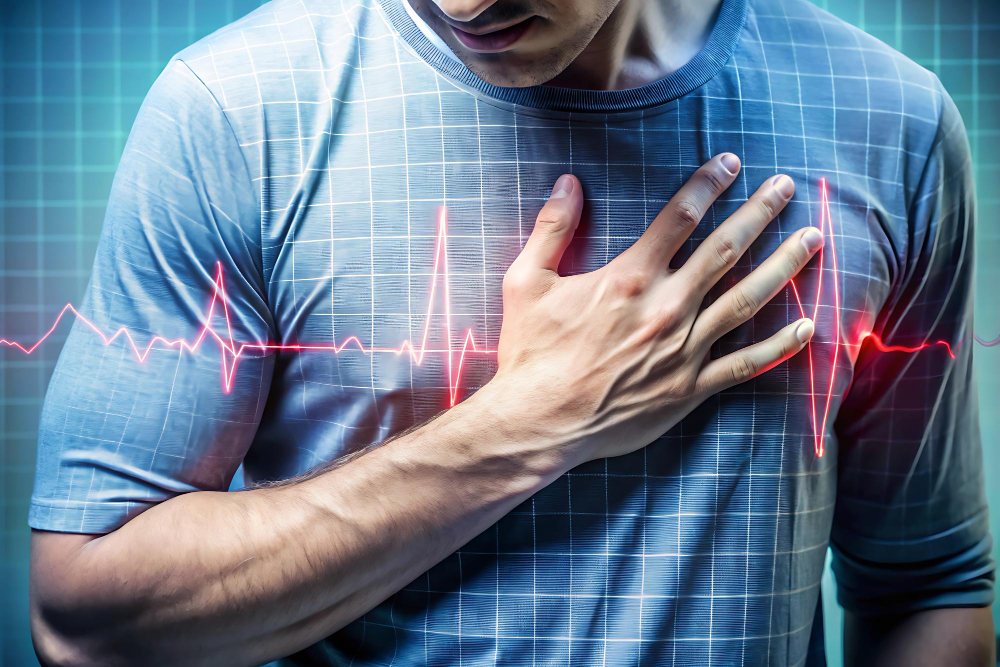
Introduction: Sudden Cardiac Arrest vs Heart Attack
Many people think sudden cardiac arrest and heart attack are the same. However, they are two different heart emergencies. Sudden cardiac arrest happens when the heart suddenly stops beating. In contrast, a heart attack occurs when blood flow to the heart muscle is blocked. Both conditions are serious, but they need different treatments. Knowing the difference can save lives. In this blog, we will explain sudden cardiac arrest, heart attack, their symptoms, causes, and what to do in an emergency. We will also share tips for heart health and prevention.
What is Sudden Cardiac Arrest?
Sudden cardiac arrest is a medical emergency. It happens when the heart suddenly stops pumping blood. As a result, blood does not reach the brain or other organs. Without quick help, sudden cardiac arrest can lead to death within minutes.
Symptoms of Sudden Cardiac Arrest
Sometimes, people may feel dizzy or have chest pain just before sudden cardiac arrest. But often, there are no warning signs.
Causes of Sudden Cardiac Arrest
Most cases are caused by an abnormal heart rhythm called ventricular fibrillation. Other causes include:
According to the American Heart Association, sudden cardiac arrest is a leading cause of death worldwide.
What is a Heart Attack?
A heart attack, also called a myocardial infarction, happens when blood flow to part of the heart muscle is blocked. This blockage is usually caused by a blood clot in a heart artery. Without blood, the heart muscle can get damaged or die.
Symptoms of a Heart Attack
Symptoms may start slowly or come on suddenly. Sometimes, people have mild symptoms or none at all, especially women and older adults.
Causes of a Heart Attack
The main cause is a buildup of fatty deposits, called plaque, in the heart arteries. Over time, plaque can break open and form a blood clot. This clot blocks blood flow to the heart muscle. Other causes include severe spasm of a heart artery or rare blood vessel problems.
Key Differences Between Sudden Cardiac Arrest and Heart Attack
Although both are heart emergencies, they are not the same. Here are the main differences:
Understanding these differences helps you respond correctly in an emergency.
Diagnosis and Emergency Response
Sudden Cardiac Arrest
If someone collapses and is not breathing, act fast. Call emergency services right away. Start CPR (chest compressions) immediately. If an automated external defibrillator (AED) is nearby, use it as soon as possible. Quick action can save a life.
Heart Attack
If someone has chest pain or other heart attack symptoms, call emergency services at once. Help the person sit down and stay calm. Do not let them drive to the hospital. Early treatment can prevent more damage to the heart.
Treatment Options
Sudden Cardiac Arrest
Heart Attack
Doctors will choose the best treatment based on the patient’s needs.
Prevention Tips and Lifestyle Guidance
While you cannot prevent every heart emergency, you can lower your risk. Here are some tips:
In addition, learn CPR and how to use an AED. You may save a life in your community.
Conclusion
To sum up, sudden cardiac arrest and heart attack are both serious heart emergencies. However, they are not the same. Knowing the signs and acting quickly can make a big difference. Consult at ADITYA HOSPITALS if you or someone you know experiences symptoms of a heart emergency.