
Maintaining healthy blood sugar levels plays an important role in your overall well-being. However, many people feel confused about what counts as a normal blood sugar level and when they should take action. Whether you already have diabetes or want to prevent it, understanding your glucose levels helps you make better health decisions.
In this complete guide, you will learn what a normal blood sugar level looks like, why it matters, and how proper blood sugar control supports long-term health. In addition, we will explore how regular glucose monitoring can help you prevent complications and maintain stability.
Understanding Blood Sugar and Why It Matters
Blood sugar, also known as blood glucose, refers to the amount of sugar present in your bloodstream. Your body gets glucose from the food you eat, especially carbohydrates. Then, insulin helps your cells absorb glucose to use it for energy.
However, when insulin production decreases or your body becomes resistant to it, glucose remains in the bloodstream. As a result, blood sugar levels rise. Over time, uncontrolled levels may lead to serious health problems.
Therefore, maintaining a normal blood sugar level becomes essential for healthy body function. Proper blood sugar control helps protect your heart, kidneys, nerves, and eyes from long-term damage.
What Is Considered a Normal Blood Sugar Level?
Your blood sugar levels change throughout the day depending on meals, physical activity, stress, and sleep. However, certain ranges are considered normal for people without diabetes.
For adults without diabetes, fasting blood sugar levels usually stay between 70 to 99 mg/dL. After eating, blood sugar levels typically remain below 140 mg/dL within one to two hours. Before bedtime, levels often range between 90 to 120 mg/dL.
Maintaining a normal blood sugar level within these limits ensures that your body functions efficiently. In addition, regular glucose monitoring helps you stay aware of daily fluctuations.
Normal Blood Sugar Levels for People with Diabetes
If you have diabetes, your target levels may differ slightly. Doctors generally recommend fasting blood sugar levels between 80 to 130 mg/dL. After meals, levels should stay below 180 mg/dL.
Although these targets vary based on individual health conditions, maintaining proper blood sugar control remains essential. With consistent glucose monitoring, you can prevent sudden spikes and drops in your levels and maintain a stable normal blood sugar level.
Why Blood Sugar Levels Fluctuate
Several factors affect your blood sugar levels throughout the day. Understanding these factors helps you maintain a normal blood sugar level more effectively.
1. Diet
Foods rich in carbohydrates increase glucose levels quickly. On the other hand, balanced meals support steady blood sugar control.
2. Physical Activity
Exercise helps your muscles use glucose for energy. As a result, regular activity improves glucose monitoring outcomes and stabilizes levels.
3. Stress
Stress hormones may increase blood sugar levels. Therefore, managing stress becomes an important part of maintaining a normal blood sugar level.
4. Medication
Certain medications influence how your body uses insulin. Proper blood sugar control often depends on timely medication intake and regular glucose monitoring.
Symptoms of High Blood Sugar
High blood sugar, also known as hyperglycemia, may develop gradually. Common symptoms include:
- Frequent urination
- Increased thirst
- Fatigue
- Blurred vision
- Headaches
If you notice these signs, you should focus on improving your blood sugar control. In addition, frequent glucose monitoring helps detect rising levels early.
Symptoms of Low Blood Sugar
Low blood sugar, also known as hypoglycemia, can occur due to missed meals or excessive medication.
Symptoms may include:
- Dizziness
- Sweating
- Shaking
- Confusion
- Weakness
Maintaining a stable normal blood sugar level reduces the risk of these symptoms. Therefore, consistent glucose monitoring becomes essential for better blood sugar control.
How to Maintain a Normal Blood Sugar Level
Keeping your blood sugar within the recommended range requires lifestyle adjustments. Fortunately, simple habits can support effective blood sugar control.
Eat Balanced Meals
Choose foods rich in fiber, protein, and healthy fats. These nutrients slow down glucose absorption and help maintain a normal blood sugar level.
Exercise Regularly
Physical activity improves insulin sensitivity. As a result, your body uses glucose more efficiently, which enhances blood sugar control.
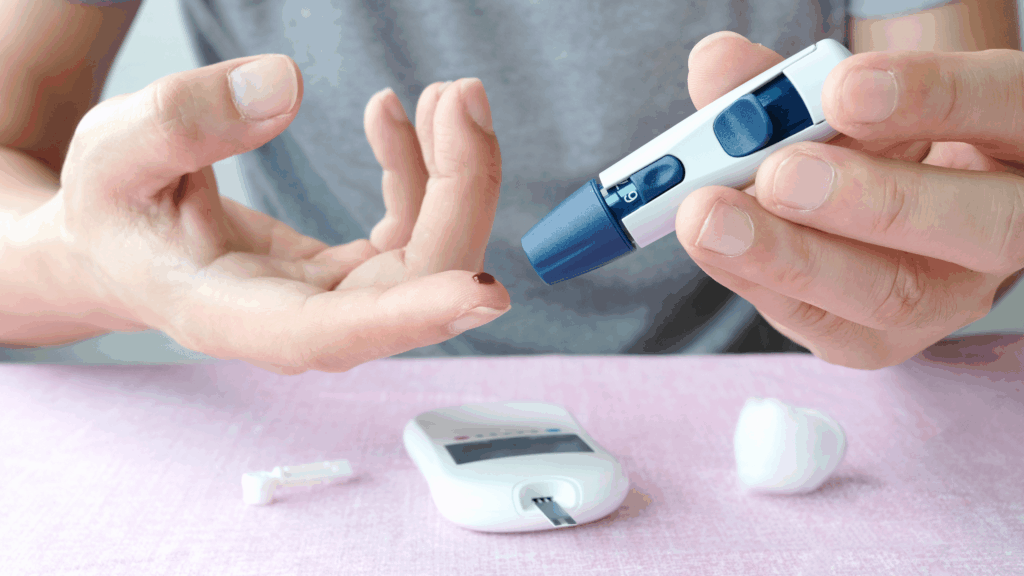
Monitor Your Glucose Levels
Regular glucose monitoring helps you understand how your body responds to food and exercise. In addition, it allows you to maintain a stable normal blood sugar level.
Stay Hydrated
Drinking enough water helps remove excess sugar from your bloodstream. Proper hydration supports better blood sugar control.
Importance of Regular Blood Sugar Testing
Routine testing plays a vital role in managing your health. Without proper glucose monitoring, you may not notice sudden changes in your levels.
Testing helps you:
- Track daily fluctuations
- Identify triggers
- Improve blood sugar control
- Maintain a normal blood sugar level
Therefore, make glucose monitoring a regular part of your health routine.
Conclusion
Understanding what qualifies as a normal blood sugar level helps you take better control of your health. Although fluctuations are natural, maintaining steady levels through effective blood sugar control reduces the risk of serious complications.
Regular glucose monitoring, healthy lifestyle choices, and timely medical advice can help you manage your condition successfully. By staying informed and proactive, you can maintain long-term stability and protect your overall well-being.