
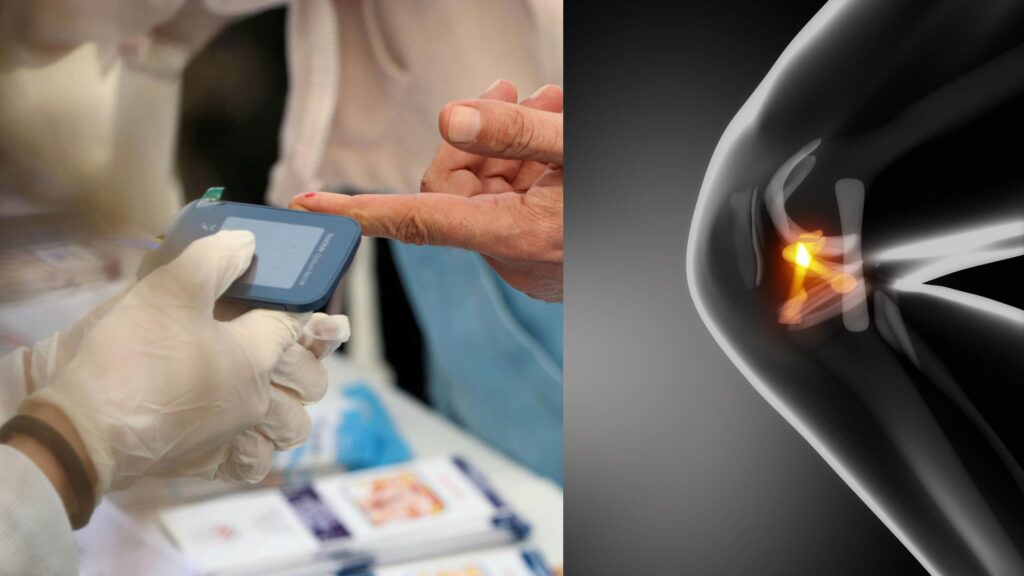
Health conditions often overlap in ways people may not expect. Diabetes affects your overall health, while joint injuries can limit mobility and physical activity. When both conditions exist together, managing them becomes more important. Achieving diabetes reversal and caring for the Posterior cruciate ligament can work together to improve your quality of life.
By focusing on proper lifestyle changes and medical care, you can support both metabolic health and joint recovery. In this blog, you will learn how diabetes management and ligament care are connected and how to handle both effectively.
Understanding Diabetes Reversal
Diabetes reversal refers to bringing blood sugar levels back to a normal range without the need for heavy medication. It mainly applies to Type 2 diabetes and focuses on lifestyle improvements.
You can achieve diabetes reversal through:
- Healthy eating habits
- Regular exercise
- Weight management
- Stress control
When you maintain stable blood sugar levels, your body functions more efficiently. This also supports healing in other areas, including joint injuries like the Posterior cruciate ligament.
What Is the Posterior Cruciate Ligament?
The Posterior cruciate ligament is one of the key ligaments in the knee. It connects the thigh bone to the shin bone and helps stabilize the knee joint.
Injuries to the Posterior cruciate ligament may occur due to sports activities, accidents, or sudden impact. These injuries can cause pain, swelling, and difficulty in movement.
Proper care and rehabilitation are essential to restore knee function and prevent long-term damage.
How Diabetes Affects Joint Health
Diabetes can impact more than just blood sugar levels. It also affects muscles, joints, and tissues.
High blood sugar levels may:
- Slow down healing
- Increase inflammation
- Reduce blood circulation
These factors make recovery from injuries like Posterior cruciate ligament damage more difficult. Therefore, focusing on diabetes reversal helps improve healing and supports joint health.
Importance of Physical Activity
Exercise plays a key role in both diabetes management and ligament recovery. Regular movement improves blood circulation and strengthens muscles.
For diabetes reversal, physical activity helps regulate blood sugar levels. At the same time, targeted exercises support recovery of the Posterior cruciate ligament.
However, you should choose low-impact exercises such as:
- Walking
- Swimming
- Cycling
These activities protect your knee while promoting overall health.
Role of Diet in Recovery and Diabetes Reversal
Nutrition is essential for both healing and metabolic health. A balanced diet supports diabetes reversal and speeds up recovery from ligament injuries.
Include foods like:
- Whole grains
- Lean proteins
- Fruits and vegetables
- Healthy fats
Avoid processed foods and excess sugar, as they can slow down healing and worsen blood sugar levels. Proper nutrition helps strengthen tissues around the Posterior cruciate ligament.
Rehabilitation for Posterior Cruciate Ligament Injury
Recovering from a Posterior cruciate ligament injury requires a structured rehabilitation plan.
Rest and Support
Initially, rest is important to reduce pain and swelling. Knee braces may provide additional support.
Physiotherapy
Physiotherapy helps restore strength and flexibility. Exercises focus on improving knee stability and preventing further injury.
Gradual Return to Activity
You should slowly return to normal activities as your knee heals. Avoid high-impact movements during recovery.
Maintaining diabetes reversal during this period ensures better healing outcomes.
Managing Blood Sugar During Recovery
Injury recovery can affect your daily routine, including diet and physical activity. As a result, blood sugar levels may fluctuate.
To maintain diabetes reversal, you should:
- Monitor blood sugar regularly
- Follow your diet plan
- Stay active within safe limits
Stable blood sugar levels support faster recovery of the Posterior cruciate ligament.
Preventing Future Injuries and Complications
Prevention is always better than treatment. By maintaining good health habits, you can reduce the risk of both diabetes complications and joint injuries.
You can:
- Maintain a healthy weight
- Exercise regularly
- Use proper techniques during physical activity
- Wear supportive footwear
These steps support diabetes reversal and protect the Posterior cruciate ligament from future damage.
Importance of Medical Guidance
Managing both diabetes and ligament injuries requires expert advice. Doctors can provide personalized treatment plans based on your condition.
Regular check-ups help track your progress and adjust your plan as needed. Medical guidance ensures effective diabetes reversal and proper care for the Posterior cruciate ligament.
Mental Health and Recovery
Dealing with multiple health conditions can be stressful. Maintaining a positive mindset is important for recovery.
You can:
- Practice relaxation techniques
- Stay connected with family and friends
- Set realistic health goals
A positive approach supports both diabetes reversal and successful recovery from Posterior cruciate ligament injuries.
Conclusion
Managing diabetes and joint injuries together may seem challenging, but it is possible with the right approach. Achieving diabetes reversal improves your overall health and supports faster healing.
At the same time, proper care of the Posterior cruciate ligament helps restore mobility and prevent long-term issues. By combining healthy habits, medical care, and consistent effort, you can improve your quality of life.
Take small steps every day. With dedication and proper guidance, you can achieve better health and long-term wellness.