
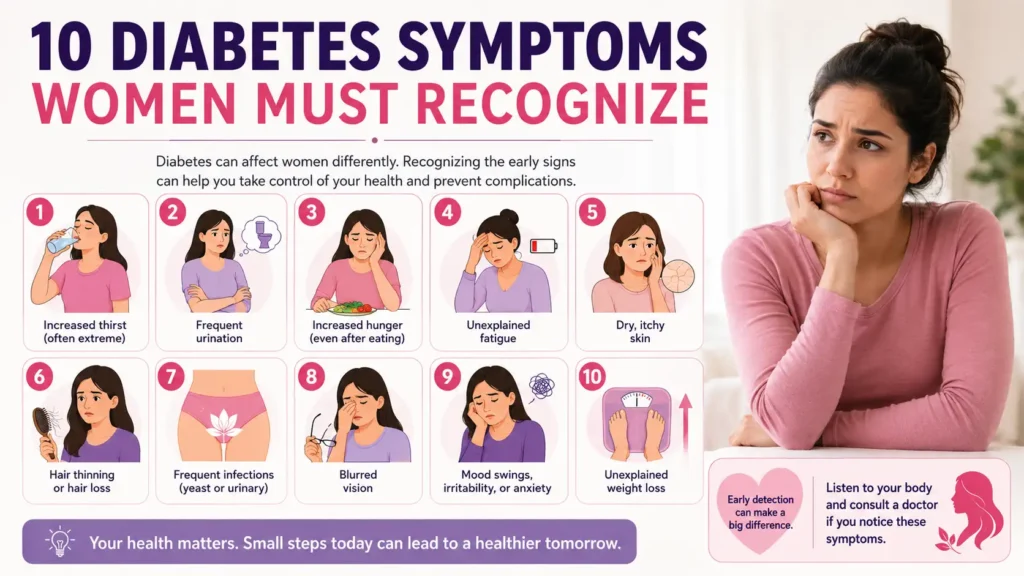
Diabetes is a growing health concern that affects millions of women worldwide. The condition develops when the body cannot produce enough insulin or cannot use it effectively. As a result, blood sugar levels rise and may lead to serious health complications if left untreated.
Many women overlook the early signs because they can be mild or mistaken for everyday health problems. However, recognizing Diabetes symptoms women experience can help with early diagnosis and timely treatment. Along with this, maintaining Normal blood sugar levels is essential for preventing complications and supporting overall health.
In this blog, we will discuss the common symptoms of diabetes in women, the importance of early detection, and practical ways to maintain healthy blood sugar levels.
Understanding Diabetes in Women
Diabetes affects women differently because hormonal changes during puberty, pregnancy, and menopause can influence blood sugar control. Women with diabetes may also face a higher risk of urinary tract infections, yeast infections, and heart disease.
Recognizing Diabetes symptoms women may experience allows early medical intervention and better long-term health outcomes.
Why Early Detection Matters
Early diagnosis helps prevent damage to important organs such as the heart, kidneys, eyes, and nerves.
When diabetes is diagnosed early, doctors can recommend lifestyle changes, medication, and regular monitoring to maintain Normal blood sugar levels. Early treatment also reduces the risk of long-term complications.
1. Frequent Urination
One of the earliest signs of diabetes is frequent urination. High blood sugar forces the kidneys to work harder to remove excess glucose through urine.
If you notice this symptom along with increased thirst, it is important to seek medical advice.
2. Excessive Thirst
Frequent urination causes the body to lose more fluids, leading to dehydration and constant thirst.
Persistent thirst is one of the common Diabetes symptoms women should never ignore.
3. Constant Fatigue
When glucose cannot enter the body’s cells properly, the body lacks energy.
Women with diabetes often feel tired even after getting enough sleep. Constant fatigue can affect work, daily activities, and overall quality of life.
4. Unexplained Weight Loss
Some women lose weight without changing their diet or exercise routine.
Since the body cannot use glucose effectively, it begins using fat and muscle for energy, resulting in unexpected weight loss.
5. Increased Hunger
Despite eating regular meals, many women feel hungry more often.
The body’s inability to use glucose properly can increase appetite because the cells are not receiving enough energy.
6. Blurred Vision
High blood sugar can affect the lenses of the eyes, causing blurry vision.
Maintaining Normal blood sugar levels helps protect eye health and reduces the risk of long-term vision problems.
7. Slow Healing of Cuts and Wounds
High blood sugar affects circulation and weakens the immune system.
As a result, cuts, bruises, and wounds may take longer to heal.
Women experiencing slow healing should consult a healthcare professional for proper evaluation.
8. Frequent Infections
Women with diabetes may experience recurring infections, especially urinary tract infections and yeast infections.
These infections occur because high blood sugar creates an environment where bacteria and fungi can grow more easily.
Recurring infections are important Diabetes symptoms women should discuss with their doctor.
9. Tingling or Numbness
Persistent high blood sugar can damage nerves over time.
Many women notice tingling, numbness, or burning sensations in the hands or feet.
Early treatment helps reduce the risk of permanent nerve damage.
10. Dark Skin Patches
Some women develop dark, thick patches of skin around the neck, underarms, or groin.
This condition, known as acanthosis nigricans, may indicate insulin resistance and should be evaluated by a healthcare provider.
Risk Factors for Diabetes in Women
Several factors increase the likelihood of developing diabetes.
Common risk factors include:
- Family history of diabetes
- Excess body weight
- Physical inactivity
- High blood pressure
- Poor eating habits
- History of gestational diabetes
- Polycystic ovary syndrome (PCOS)
Understanding these risks encourages women to take preventive steps earlier.
How to Maintain Normal Blood Sugar Levels
Healthy daily habits play an important role in diabetes prevention and management.
Eat a Balanced Diet
Choose foods rich in nutrients and fiber, including:
- Vegetables
- Whole grains
- Fresh fruits
- Lean proteins
- Healthy fats
Reducing sugary drinks and processed foods helps maintain Normal blood sugar levels.
Exercise Regularly
Physical activity improves insulin sensitivity and supports weight management.
Walking, swimming, cycling, and yoga are excellent choices for maintaining healthy blood sugar.
Stay Hydrated
Drinking enough water supports kidney function and helps regulate blood sugar.
Replace sugary beverages with water whenever possible.
Get Enough Sleep
Quality sleep supports hormone balance and improves glucose metabolism.
Adults should aim for seven to nine hours of sleep each night.
Manage Stress
Long-term stress can increase blood sugar levels.
Relaxation techniques such as meditation, deep breathing, and spending time outdoors can improve both mental and physical health.
Importance of Regular Health Check-Ups
Routine medical examinations help detect diabetes before serious complications develop.
Your doctor may recommend:
- Blood sugar testing
- HbA1c testing
- Blood pressure checks
- Cholesterol screening
- Kidney function tests
Regular check-ups help maintain Normal blood sugar levels and support better long-term health.
When Should You See a Doctor?
Consult a healthcare professional if you notice:
- Frequent urination
- Constant thirst
- Persistent fatigue
- Blurred vision
- Slow wound healing
- Frequent infections
- Unexplained weight loss
These Diabetes symptoms women experience should never be ignored because early treatment greatly improves health outcomes.
Tips for Preventing Diabetes
Simple lifestyle changes can significantly reduce diabetes risk.
Helpful habits include:
- Eat nutritious meals every day.
- Exercise for at least 30 minutes most days.
- Maintain a healthy body weight.
- Drink enough water.
- Avoid smoking.
- Limit sugary foods and beverages.
- Attend routine health screenings.
These habits support healthy Normal blood sugar levels and improve overall well-being.
Conclusion
Recognizing Diabetes symptoms women experience is the first step toward protecting long-term health. Symptoms such as frequent urination, excessive thirst, fatigue, blurred vision, and slow healing should never be ignored. Early diagnosis allows timely treatment and reduces the risk of serious complications.
At the same time, maintaining Normal blood sugar levels through healthy eating, regular exercise, stress management, and routine medical check-ups can improve quality of life and support long-term wellness. Taking small but consistent steps today can help women stay healthy and reduce their risk of diabetes-related complications in the future.